
Relocating to New Hampshire: Where Financial Freedom Meets Settler’s Intent
When families or individuals decide to relocate, the motivation is rarely just about lifestyle. For those managing significant assets or planning for the next generation, the decision often reflects a deeper purpose — a desire for control, privacy, and alignment between values and structure.
New Hampshire offers that balance. Its tax neutrality is only part of the story. The state’s legal and financial systems are built to respect intent — whether that means keeping more of what you earn or ensuring that your wishes are upheld for decades to come.
Why Affluent Families Are Relocating to New Hampshire
High-net-worth individuals and retirees are moving to New Hampshire for one core reason: predictability.
The state levies no income tax, no sales tax, and no estate tax. Investment income — including dividends, capital gains, and interest — remains fully exempt at the state level as of 2025. Property taxes vary by town but are offset by the absence of broader state taxation.
For investors, retirees, and family offices, this simplicity reduces friction. It allows wealth to grow and transition without the complexity that neighboring states impose.
In the context of estate planning, “settler’s intent” refers to the guiding principle behind a trust — the creator’s right to define how assets are managed, distributed, and protected.
“New Hampshire makes it clear that the settlor’s intent is to be respected.” — Patrick Collins, MLAN Middleton
That same principle applies to life in the state. New Hampshire’s laws are designed to respect personal freedom and decision-making. Residents are free to structure their finances, property ownership, and trusts according to their goals, with minimal state interference.
Relocation here is not only about escaping tax burdens. It is about living in a place where individual will is protected by law.
Building a Life That Reflects Your Intent
For many who relocate, this alignment between structure and autonomy is the deciding factor. Families who establish residency often cite three consistent motivations:
Control – The ability to make financial and personal decisions without excessive state regulation.
Continuity – Laws that allow trusts and wealth structures to persist indefinitely, honoring the founder’s wishes.
Community – A stable, private environment that values personal responsibility and civic engagement.
New Hampshire’s financial benefits attract new residents, but its social and legal environment is what keeps them here.
Residency and Long-Term Planning
Establishing New Hampshire residency is straightforward — typically involving property ownership, updated identification, and voter registration. Many new residents also choose to domicile their trusts or family offices in-state to take advantage of modern asset-protection statutes and privacy provisions.
Once established, residents often describe an immediate sense of relief. The absence of income and capital gains taxes creates a cleaner financial picture, while the trust and legal frameworks reinforce the idea that personal intent remains the ultimate guide.
Explore More
If you are considering relocation or want to understand how New Hampshire aligns financial strategy with personal freedom, explore these related topics:
New Hampshire Trust Laws Offer a Quiet Advantage for Generational Wealth
Tax Advantages of Establishing Residency in New Hampshire
Why New Hampshire for Tax Purposes
Our Top NH Listings
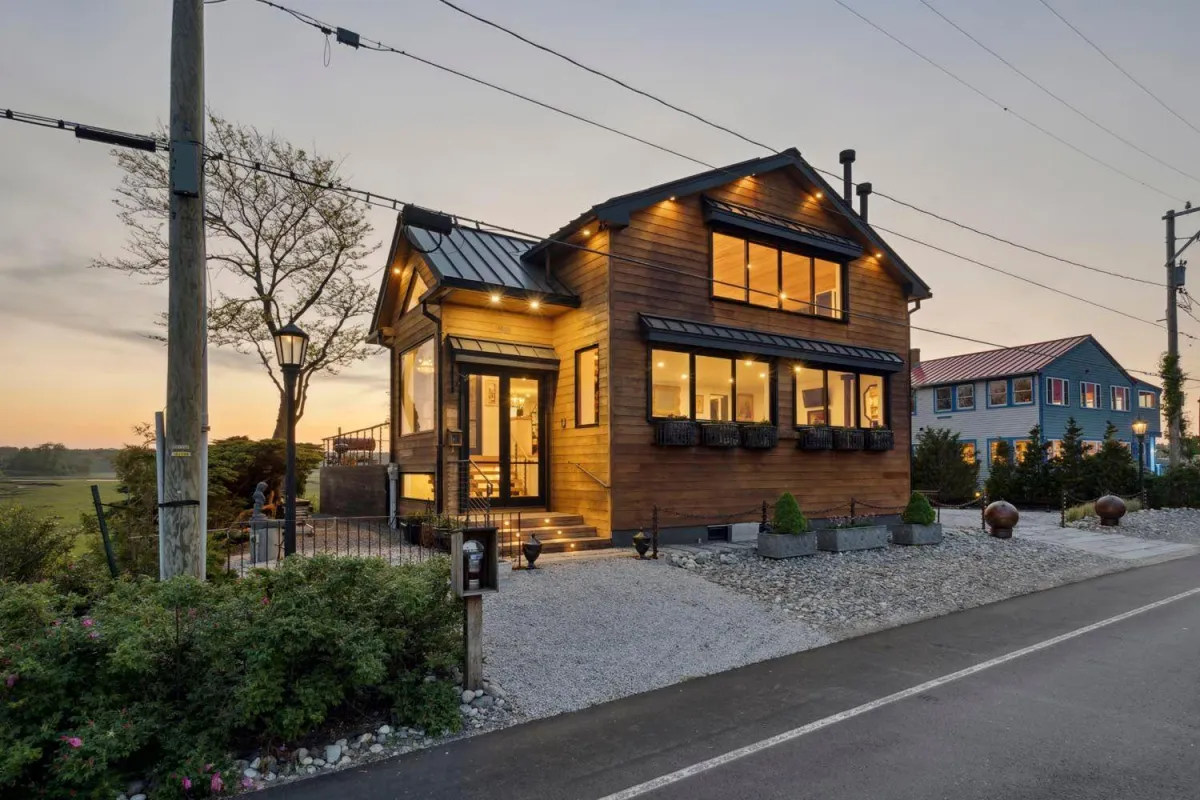
3 bd | 3.5 ba | 3786 sqft
1681 Ocean Blvd, Rye, NH 03870
Listed With KW Lakes & Mountains Realty
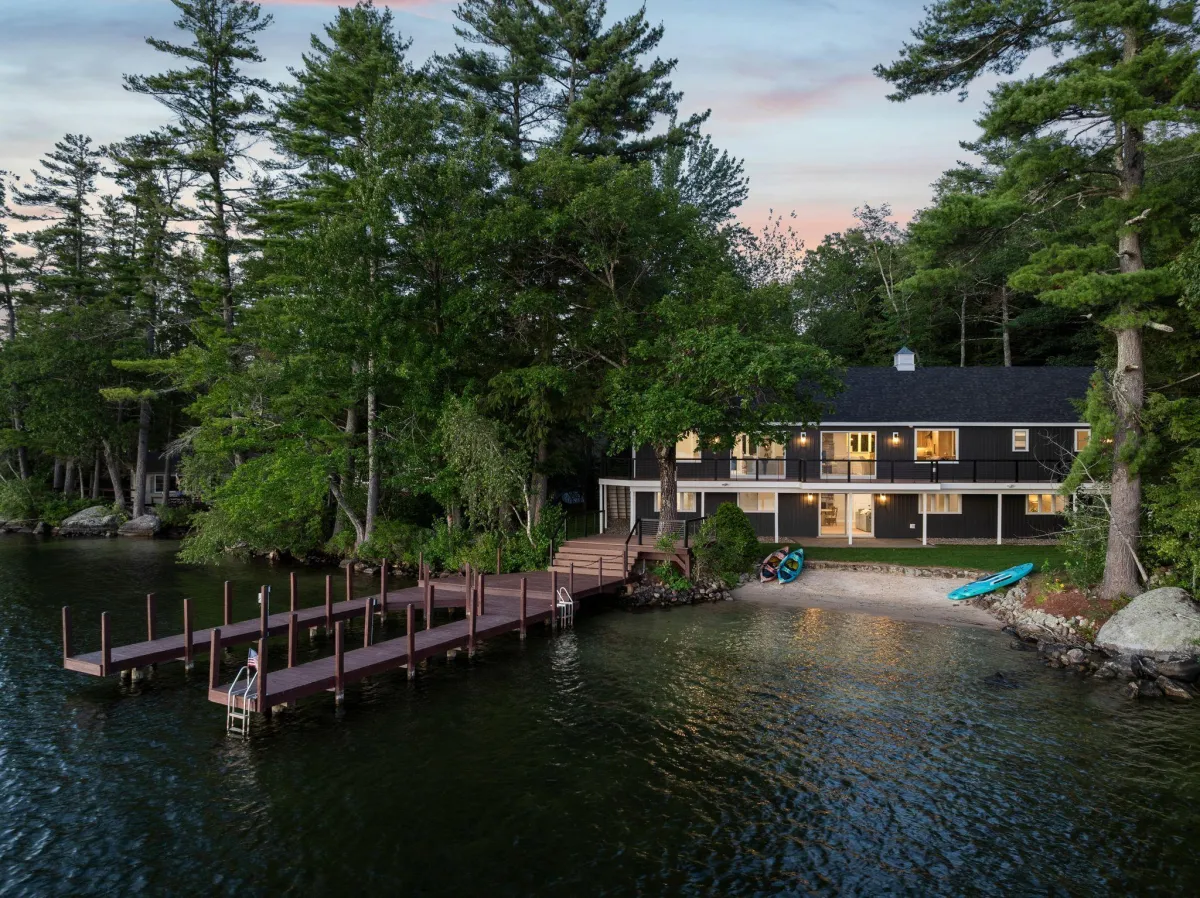
4 bd | 4 ba | 3752 sqft
320 Redding, Moultonborough, NH 03870
Listed With KW Lakes & Mountains Realty
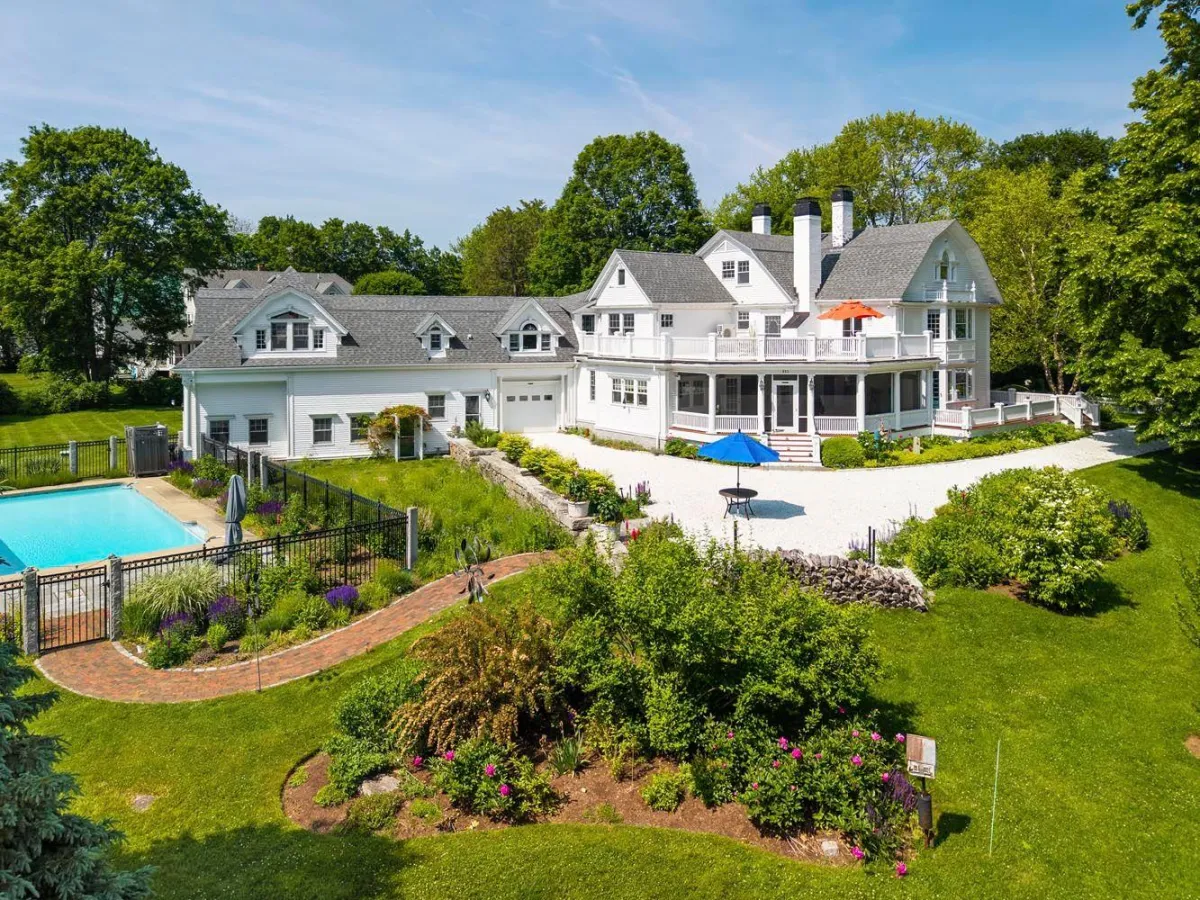
5 bd | 5.5 ba | 8,135 sqft
633 Central Road, Rye, NH 03871
Listed With KW Lakes & Mountains Realty
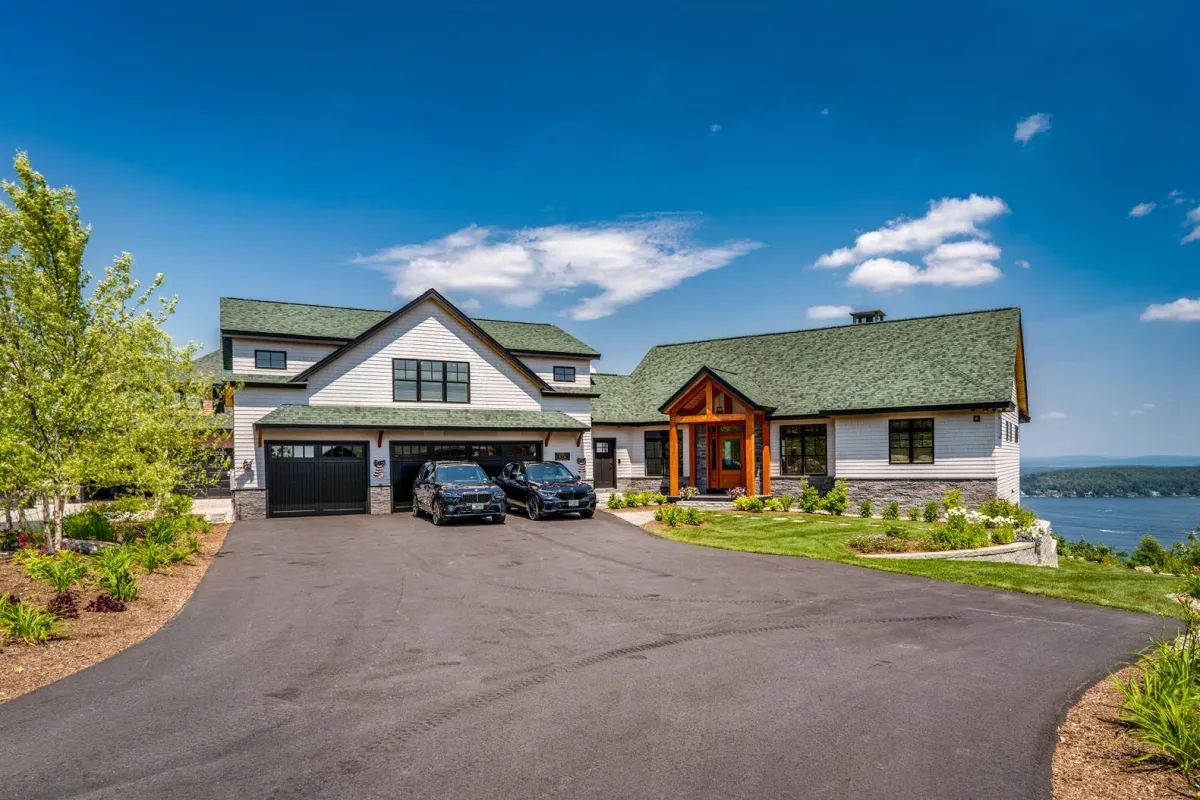
5 bd | 5 ba | 6,177 sqft
175 Akwa Vista, Laconia, NH 03246
Listed With KW Lakes & Mountains Realty
Trusted Agents

Adam Dow

Sayre Buote

Benjamin Wolf
Office: 136 South Main Street PO Box 385
Wolfeboro, NH 03894
Call (866) 525-3946
Site: www.thedowgroup.com
ALL Right Reserved. Copyright 2022.